Ask people over 30 and many will tell you the same thing: the years are going faster. Christmas comes around before you’ve finished processing the last one. Whole months disappear between Monday and Friday. The science of novelty may help explain why.
There’s no single explanation for why, but one of the most compelling comes down to memory, and to novelty. And if novelty helps explain why time slips away, it also offers a way to slow it down.
Your brain on autopilot
Your brain is very good at saving effort. When it meets something it has seen a hundred times before, the same commute, the same desk, the same couch on a Sunday night, it responds less and pays less attention.
The cost is that routine days are harder to tell apart in memory. They blur together, so when you look back on a month of them, there’s not much to hold on to. And a month with few distinct memories tends to feel, in hindsight, like it went by in a flash.
Psychologist and writer Claudia Hammond calls this the “holiday paradox”. A week away seems to fly while you’re in it, yet looking back it feels long and full, because every day gave you something new to remember.
What novelty does to your brain
This is where the science of novelty gets interesting. When you encounter something genuinely new, your brain responds more strongly. Brain-imaging research has found that new images activate the brain’s reward system more than familiar ones do, which suggests novelty may be something we’re wired to seek out.
That reward system works closely with the hippocampus, the part of the brain that forms new memories, and together they help new experiences stick. It’s part of why you can recall the first morning of a trip in vivid detail, the light through the window, the smell of the air, what you ate, but not what you had for lunch last Tuesday.
Scrolling a feed can hold your attention for hours and leave you with almost nothing to remember. A new place gives you something that lasts: a memory with texture.
Novelty, variety and how we feel
In one study, researchers tracked people’s movements by GPS over several months and regularly checked in on how they were feeling. On days when people visited a wider variety of places, they tended to report feeling better.
The study can’t prove that one causes the other. But it adds to a growing body of research linking variety in our days, and the brain systems that respond to novelty, with how good we feel.
You don’t need a long-haul flight
The good news about the science of novelty is that it doesn’t require a two-week trip to Europe or a passport stamp. What matters is less how far you go and more how different it feels.
A new landscape, a new bed, a new view from a new window, a morning that doesn’t look like every other morning. A couple of nights somewhere genuinely different can stay with you in a way that weeks of routine rarely do.
But it has to actually feel different.
How to bring more novelty into your life
You don’t have to overhaul your life. Small, regular doses of the new add up.
- Change your route. Walk or drive a different way to somewhere familiar and notice what you’ve never seen.
- Eat somewhere you’ve never been. Skip the usual spot and try the place you keep meaning to.
- Learn something with your hands. Cooking, pottery, an instrument. New skills mean new experiences to remember.
- Go somewhere close but unfamiliar. A town you’ve driven past a dozen times and never stopped in.
- Plan short escapes regularly. A few weekends away spread across the year can give you more fresh memories, more often, than one big holiday.
- Leave the phone in a drawer. You remember what you pay attention to, so novelty works best when you’re present enough to notice it.
Slow the year down
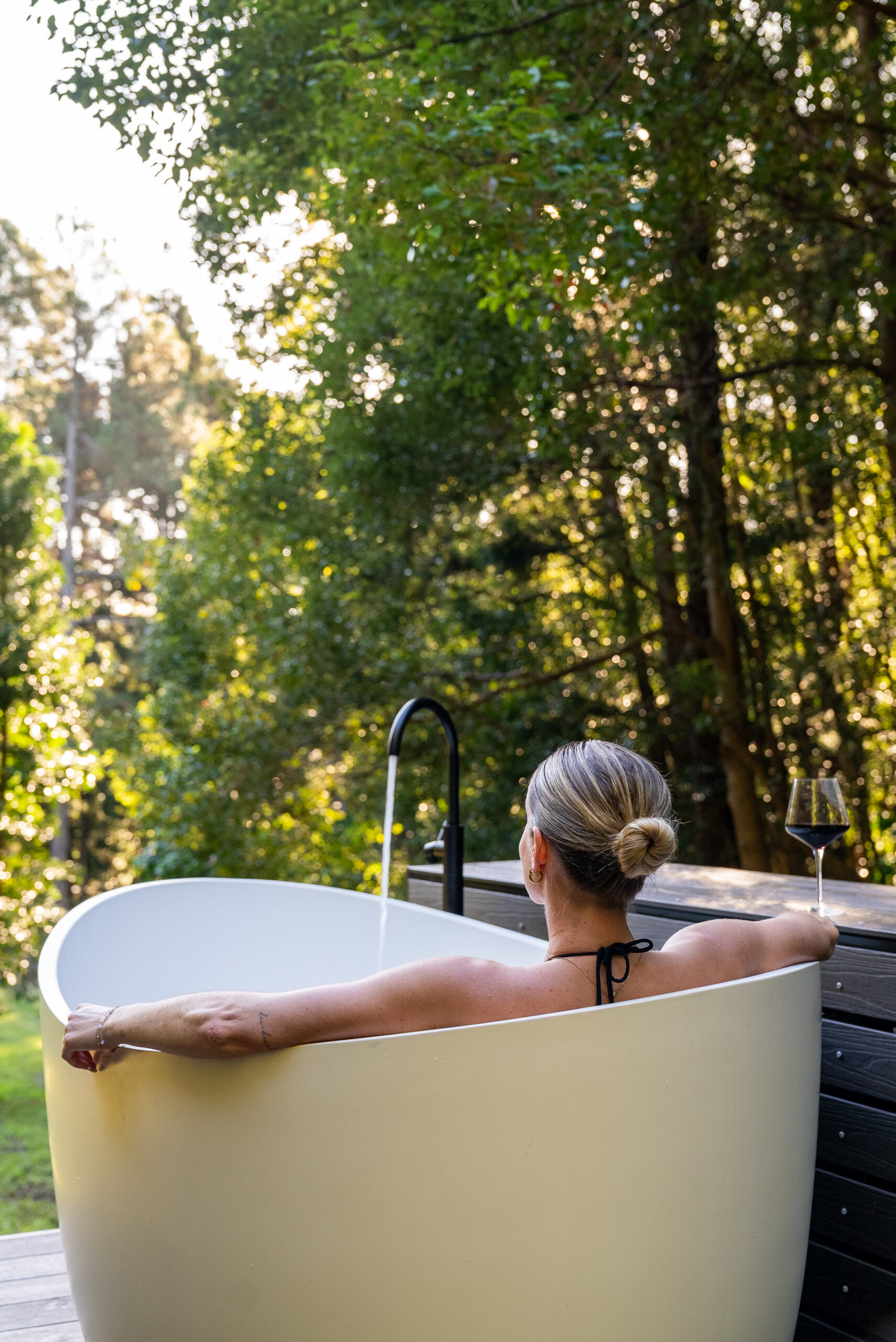
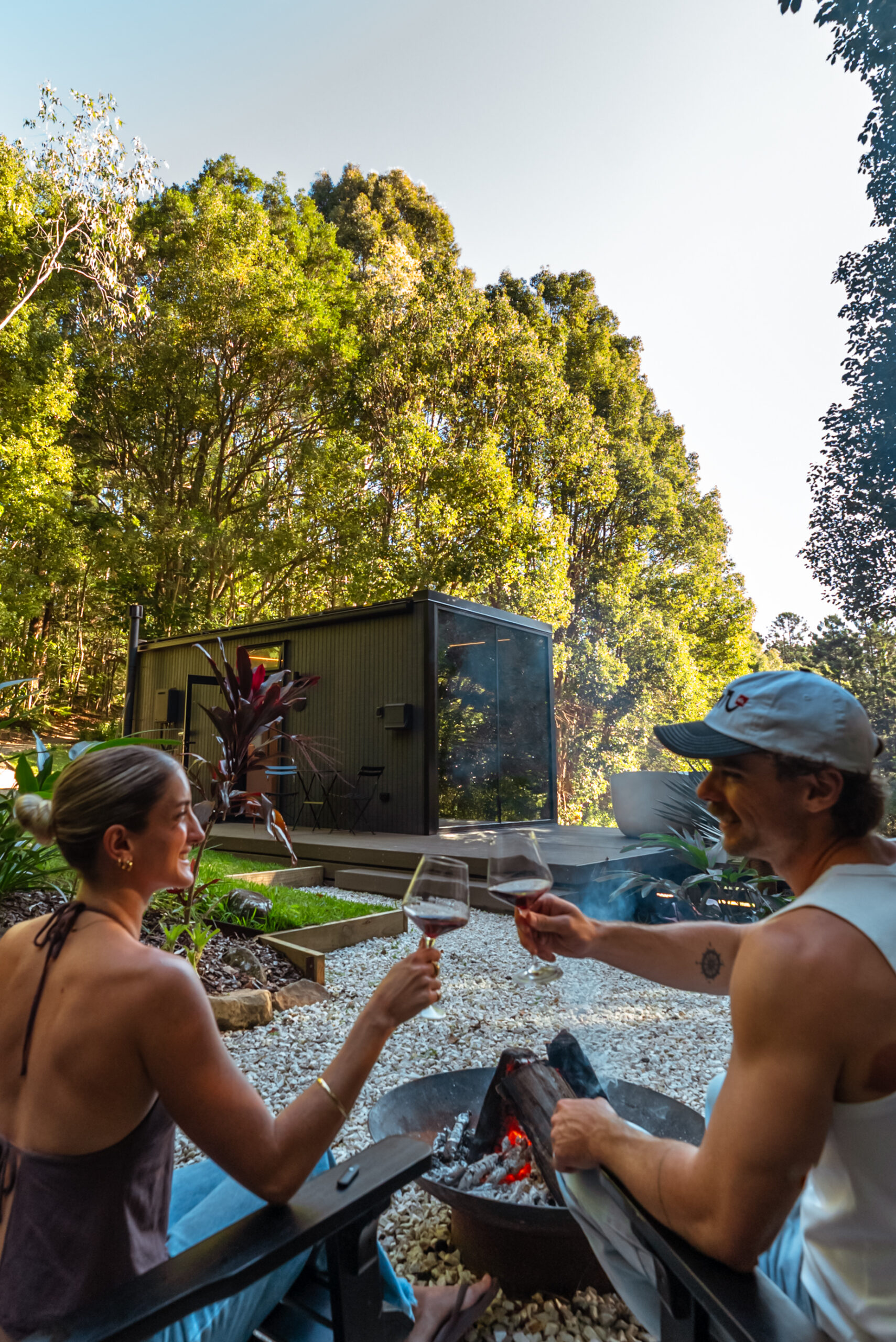
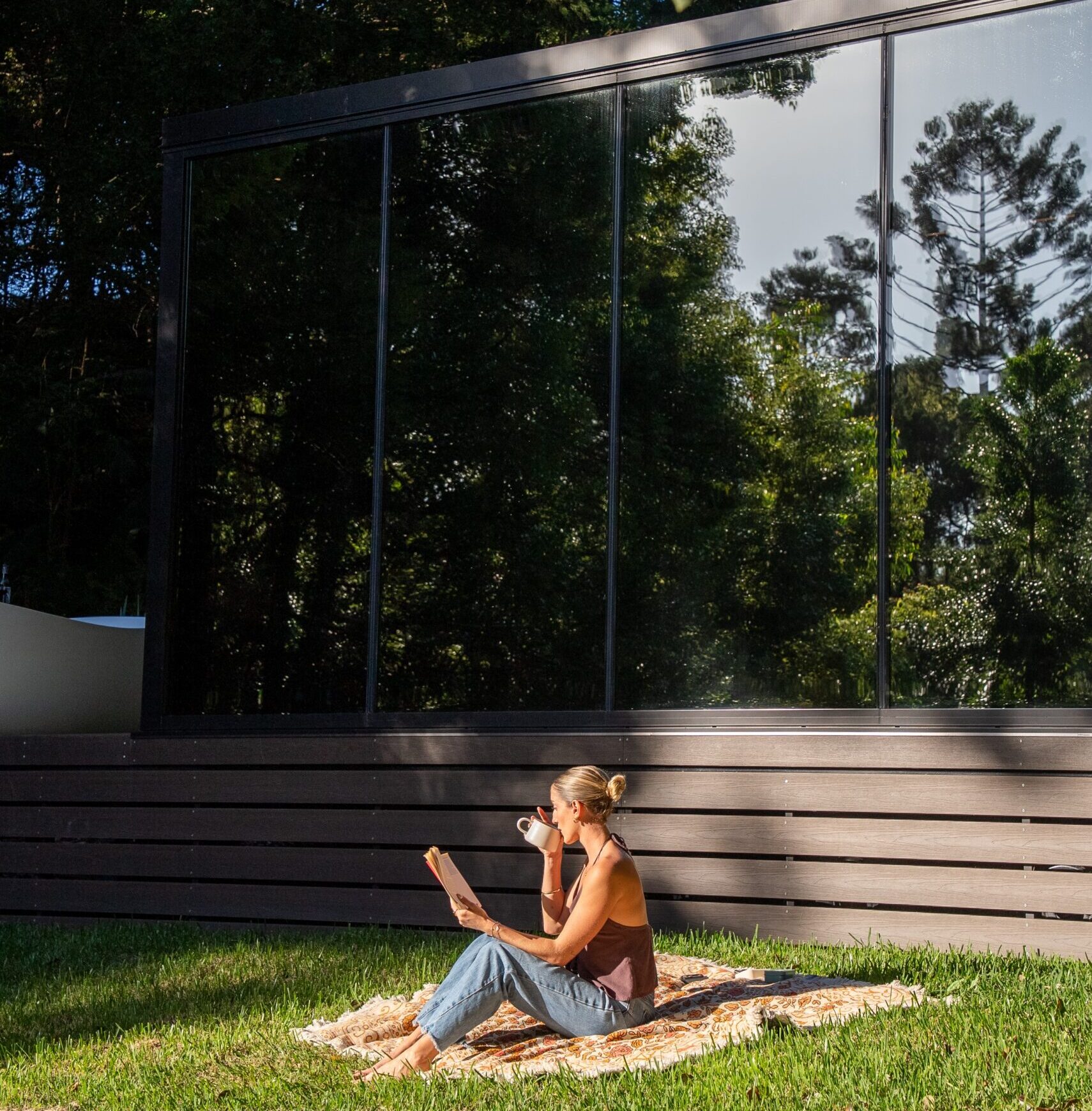
This is why we built DSTNTN the way we did. Every one of our Rooms sits somewhere that doesn’t look like the rest of your week: a garden in the Yarra Valley seen through floor-to-ceiling glass, a hillside of vines in Heathcote, the lush green of the Byron Bay Hinterland.
No two stays are the same, and none of them look like home. That’s the point.
The year will keep moving. But you have more say than you might think in how much of it you remember.
Find your next destination
If you’re planning your next escape, consider slowing down — and choosing somewhere that stays with you long after you leave.
Explore DSTNTN stays and begin your eco‑luxury escape.